As a Nigerian citizen, I am deeply committed to staying in my country to help solve the challenges we face rather than leaving for greener pastures. One of the major issues we confront is the inefficiency of government agencies, their lack of responsiveness to public concerns, and the absence of clear communication channels between the government and the people. But the problem does not stop there. Nigerians also struggle with accountability in private and business transactions, from online vendors failing to deliver paid goods to unresolved loans among individuals and failed service agreements with companies.
In both public and private spheres, the frustration is the same, systems that are supposed to offer redress often fail, leaving people with no choice but to turn to social media. As a result, there has been a rise in social media callouts, public posts that demand action when all other options have been exhausted. These platforms have become the alternative route for expressing frustration and holding both institutions and individuals accountable.
This article explores how the breakdown in traditional systems, both governmental and commercial, has fueled the rise of viral callouts on platforms like X (formerly Twitter), Facebook, Instagram, and TikTok. It also highlights how innovations like the Kaci Help App are bridging the gap, offering Nigerians more reliable channels for resolution, justice, and meaningful engagement.
The Problem: When Governments and Private Actors Fail to Respond
Nigeria is no stranger to issues of mismanagement and inefficiency in its institutions. Whether it’s a lack of response to complaints, failure to implement policies, or simply a delay in addressing public needs, citizens often find themselves turning to social media to make their voices heard. Some personal and real-life examples illustrate the frustration citizens experience:
1. Police Brutality and Misconduct:
One of the most common complaints that Nigerians air on social media is the behavior of law enforcement agencies. The #EndSARS movement, which erupted in 2020, was a powerful demonstration of how social media can be used to call out police officers who engage in brutality, illegal phone searches, and extortion.

For instance, a young Nigerian might tweet a video of a police officer unlawfully stopping them on the road, demanding bribes, or searching their phone without a warrant. This video, once shared, quickly gains traction, attracting attention from influential activists, organizations, and the general public. Eventually, the authorities are forced to react, but not always because they are genuinely concerned about the issue. Often, it’s because they fear the damage to their reputation that a viral tweet can cause.
2. Bribery at Airports:
Another persistent problem in Nigeria is the culture of bribery, particularly in airports. I have personally witnessed how airport officials frequently demand bribes for services that should be provided without charge. Passengers traveling through Murtala Muhammed International Airport in Lagos, for example, often report being asked to pay bribes for checking in luggage, getting through security, or clearing immigration.

Rather than reporting this issue to the airport authorities, many Nigerians take to Twitter or Instagram, tagging relevant government accounts like the Nigerian Civil Aviation Authority (NCAA) or the Federal Airports Authority of Nigeria (FAAN). It is only when these complaints go viral that the authorities make any significant attempt to address the problem. One viral post about an airport official asking for a bribe led to a quick response from the authorities, but this approach, though effective, is not sustainable.
3. Infrastructure and Public Services:
Another area where government inefficiency is glaring is in the neglect of public infrastructure. Roads in many parts of Nigeria are riddled with potholes, posing serious risks to motorists and pedestrians. In my own experience, I have had to navigate roads that have been under construction for years, with little to no visible progress. Citizens often take to social media to highlight these issues, uploading pictures and videos of dangerous roads and urging the government to take action.

For example, a user might tweet a video of a collapsed road in a major city, tagging the Ministry of Works and Housing or the relevant local government authorities. These callouts, when they go viral, attract the attention of politicians who quickly respond, sometimes in an attempt to save face, but rarely with long-term solutions.
4. Private and Business Transactions:
Social media is not only a platform for holding governments accountable but also a powerful tool for demanding that businesses, brands, and private individuals keep their promises. The phrase “What I ordered vs. what I got”has become a common refrain on Nigerian social media, especially on Instagram and X, where customers share their frustrations about receiving substandard goods or services. This highlights the widespread disappointment among Nigerians who feel misled by businesses that fail to deliver as advertised.

A friend of mine, Chika, ordered a pair of shoes online that were promoted as high-quality. However, when the package arrived, it was clear the shoes were far from what was promised. Chika took to X, posting a side-by-side comparison of the shoes he ordered versus what she actually received. Within hours, the post went viral, with many others sharing similar complaints. Recognizing the threat to their reputation, the company reached out to Chika with a refund and an apology.
This trend isn’t limited to fashion. Nigerians have also called out eateries serving substandard food or failing to match advertised menu items. A notable example involved a fast-food restaurant in Lagos that was publicly criticized for delivering meals that looked nothing like their promotional ads. The post quickly gained traction, forcing the brand to apologize and take corrective action.
This wave of public accountability also extends to financial dealings among family, friends, and businesses. Many take to social media to share stories about unpaid loans, broken promises, or failed transactions. In one case, a vendor accepted full payment for custom-made items but failed to deliver. After weeks of silence, the buyer shared screenshots of their conversations online. The post attracted widespread attention, compelling the vendor to respond and issue a refund to protect their reputation. Clearly, many Nigerians now rely on public pressure to ensure fairness and resolve disputes.
These callouts go beyond simple customer frustrations; they reveal a deeper issue of inadequate consumer protection. The lack of effective channels for resolving complaints, whether against businesses or government services, forces Nigerians to turn to social media. There, the visibility and reach can pressure businesses into action far more quickly. If stronger consumer protection mechanisms and government oversight were in place, many of these problems could be resolved before escalating into viral callouts.
The Surge of Online Voices for Justice: Influencers and Activists
Social media has evolved into a powerful tool for Nigerians to hold both government agencies and private companies accountable. What was once a platform for socializing has become a space for activism and public engagement. One of the key drivers of this trend is the increase in the number of activists and ordinary citizens on social media. Many Nigerians, including myself, have seen how individuals with significant followings can amplify grievances, often becoming catalysts for change. These people act as intermediaries, using their platforms to shed light on corruption, poor governance, and human rights violations.

For example, when an individual reports a case of police harassment or a bribery incident at the airport, it’s common for them to tag or message individuals who are known for advocating for justice and public accountability. These individuals help to draw attention to these matters, often sharing them with their followers or directly contacting authorities.
I recall an experience when my friend was illegally detained at a police station in Lagos. After several failed attempts to resolve the matter through official channels, they decided to tweet about the situation. Within hours, the tweet gained traction, and others who had faced similar issues began sharing it. This collective online pressure led to my friend’s release and eventually prompted an investigation into the officers involved. Without the power of social media and the support of those willing to amplify such issues, it’s likely the situation would have dragged on without resolution.
Why Callouts Work:
While the rise of social media callouts is a reflection of citizens’ frustration, they have proven to be effective in some cases. Why do they work?
1. Public Pressure
Callouts on social media have a unique ability to generate significant attention, forcing authorities or organizations to act swiftly. From personal experience, I’ve witnessed how public pressure is often the catalyst that drives change.

A striking example is when my friend John highlighted the deteriorating state of a major road in his neighborhood. The road had been neglected for months, causing accidents and severe traffic delays. John took to Twitter, posting pictures and sharing his frustrations about the situation. His tweet quickly gained traction, with others chiming in to share their own stories of inconvenience caused by the same road. The growing momentum of the callout placed immense pressure on the local government to act. Within hours, the authorities responded, promising to fix the road.
This example demonstrates how social media callouts, driven by public pressure, can force those in power to respond more urgently and effectively to issues that would otherwise go unnoticed.
2. Reputational Damage
Reputational damage is a powerful motivator for both government bodies and businesses. When organizations are called out online, they risk losing public trust and credibility, something no institution wants, especially in a country where public opinion is volatile. For instance, the Nigerian Electricity Regulatory Commission (NERC), which has long been criticized for poor service delivery in the power sector, faced backlash after citizens shared images of power outages lasting for days in major cities. As the posts went viral, the regulatory body was forced to respond publicly, promising to investigate the issue and improve service delivery.
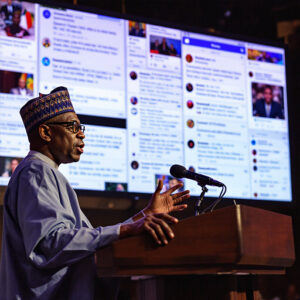
Similarly, a few months ago, a bank in Lagos faced social media outrage after several customers posted pictures of their unfulfilled transactions, claiming their funds had been deducted, but their accounts remained unchanged. The viral nature of the callouts led the bank to issue a public apology and quickly refund the affected customers. The reputational damage caused by these callouts was significant, compelling the bank to take immediate action to repair its image and restore trust. This is a classic example of how social media can shine a light on issues that would otherwise be ignored.
3. Direct Access to Decision-Makers
Social media has democratized communication, allowing ordinary citizens to bypass bureaucratic channels and directly reach decision-makers. In a country like Nigeria, where reaching government officials through traditional means can be time-consuming and frustrating, social media provides a faster and more effective avenue for engagement. One example is the way Nigerians use Twitter to engage with politicians. If you tag the Ministry of Works or the Governor of Lagos State about a collapsed road, it is not uncommon for the official to acknowledge the tweet and promise to take action within hours, or even days.

When a Nigerian hospital was exposed for treating patients poorly during the COVID-19 pandemic, social media activists and concerned citizens flooded platforms like Instagram and Twitter, tagging health officials, the Ministry of Health, and even the Nigerian Centre for Disease Control (NCDC). Within a matter of hours, the Minister of Health publicly responded, ensuring an investigation was launched into the allegations. This direct engagement with decision-makers happens because most of them are now online, monitoring public sentiment and actively engaging with their constituents.
My Recommendation: Kaci Help App, Bridging the Gap
While social media callouts can bring temporary results, they don’t address the underlying problem: the lack of proper channels for citizens to engage with government and businesses. This is where Kaci Help comes in, offering a structured and effective way for Nigerians to report issues, make suggestions, and stay informed.
Transforming Citizen Engagement
The Kaci Help App leverages Artificial Intelligence and mapping technologies to help citizens engage directly with government agencies. The app’s features, such as iReport, Suggestion, and Alerts, empower Nigerians to share their concerns and ideas in a more organized and impactful way.
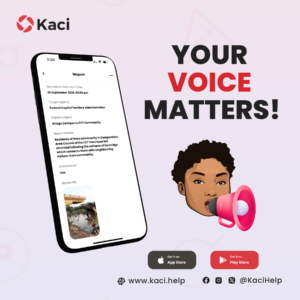
iReport:
Citizens can report issues, such as police misconduct, poor infrastructure, or environmental pollution, using the app. Reports are geo-tagged, making them precise and verifiable.
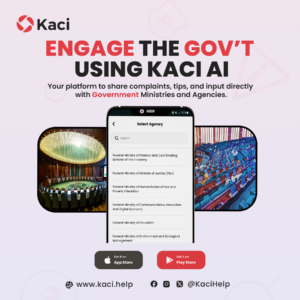
Suggestion:
Kaci allows citizens to express their opinions on governance, public policy, and other issues, ensuring that their voices are heard and considered in decision-making processes.
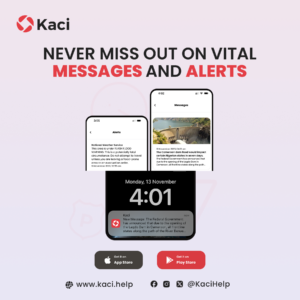
Alerts:
Kaci provides timely updates on important news, public safety, and government initiatives, keeping users informed and engaged.
Conclusion: Building a Better Nigeria
Accountability should not rely solely on viral outrage or public shaming. While social media callouts have proven to be effective pressure tools, they also reveal deeper problems such as broken systems, limited avenues for recourse, and a lack of trust in official channels.
With tools like Kaci Help, we can create a more structured and accountable system that benefits both citizens and government agencies. By using the app’s features to report issues, offer suggestions, and stay informed, we can take a more proactive role in shaping our nation.
I believe it is our collective responsibility to stay and solve Nigeria’s problems, and with the right tools and mindset, we can create a more transparent, responsive, and accountable government. Join me in using Kaci Help to build the Nigeria we deserve. Together, we can make a difference.